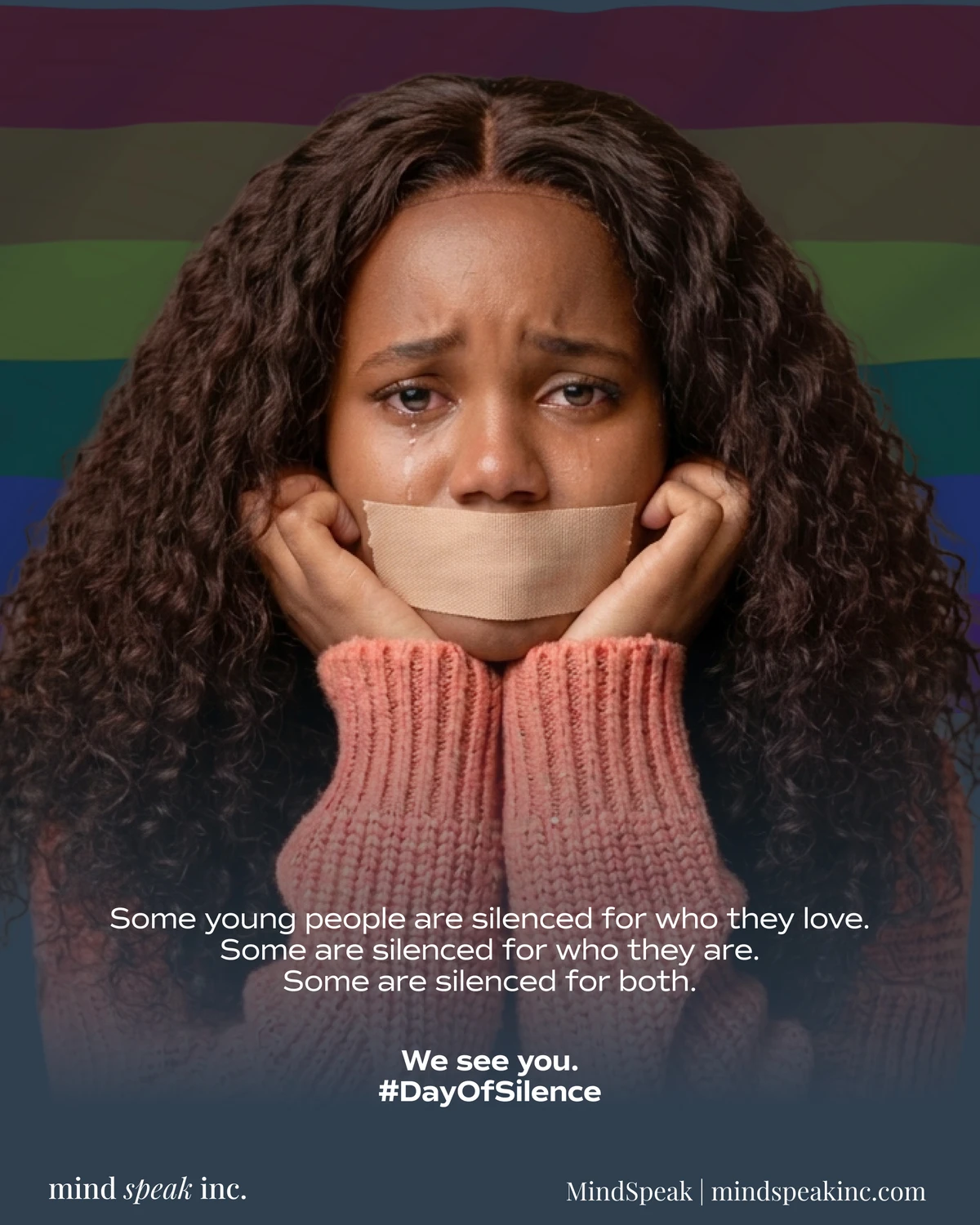

Abuse doesn't only affect what happens in a relationship. It can change how a person feels, thinks, connects with others, and experiences their own sense of safety.
When people talk about domestic violence, physical harm is often the first thing that comes to mind. But intimate partner violence can also involve psychological aggression, stalking, sexual violence, and other forms of behavior used to harm, frighten, or control another person.
These experiences can have serious effects on mental health.
A person experiencing abuse may begin to feel anxious, isolated, depressed, constantly alert, or disconnected from themselves. They may have difficulty trusting others or making decisions. And sometimes, the emotional effects continue even after the immediate situation changes.
Understanding these effects matters because psychological wounds are not always visible—but they are real.
Domestic Violence Is About More Than Physical Harm
Domestic violence is not defined only by physical injury.
Intimate partner violence can include physical violence, sexual violence, stalking, and psychological aggression. Psychological aggression can involve communication intended to harm someone emotionally or mentally or to exert control over them.
This matters because someone may question whether what they are experiencing “counts” as abuse if there are no visible injuries.
It does.
A person does not have to have a physical injury for their emotional well-being to be affected by an abusive relationship.
Repeated criticism, intimidation, threats, manipulation, isolation, monitoring, or other controlling behavior can contribute to an environment where a person feels unsafe or constantly on edge.
Over time, this can affect how someone sees themselves and how they relate to the world around them.

The Psychological Impact of Abuse
There is no single way a person responds to domestic violence.
Some people may experience intense anxiety or fear. Others may feel emotionally numb. Someone else may experience sadness, anger, difficulty concentrating, sleep problems, or a loss of interest in activities they once enjoyed.
Trauma can affect mental, physical, social, and emotional well-being, but responses vary from person to person. Not everyone who experiences trauma develops a mental health condition, and people can respond differently to similar experiences.
Some possible effects include:
Anxiety and persistent fear. A person may feel constantly alert or worried about what might happen next. Relaxing can become difficult when the brain has learned to remain prepared for danger.
Depression. Abuse can be associated with depression and other changes in mood. A person may experience persistent sadness, emptiness, hopelessness, low energy, or loss of interest in activities.
Difficulty trusting others. When someone has experienced betrayal, manipulation, or repeated violations of boundaries, trusting another person may feel difficult—even when the new relationship is safe.
Shame and self-blame. People experiencing abuse may question themselves or blame themselves for what is happening. Responsibility for abusive behavior belongs to the person choosing to use it.
Sleep and concentration difficulties. Trauma and ongoing stress can make it harder to sleep, focus, remember things, or manage everyday responsibilities.
Emotional numbness or detachment. Some people may feel disconnected from their emotions or from other people. This can be a response to overwhelming experiences rather than a sign that they do not care.
These responses are not signs of weakness. They can be understandable responses to experiences that have affected a person's sense of safety.
When Trauma and Mental Health Conditions Overlap
Domestic violence can affect mental health, but it is important not to assume that every person who experiences abuse will develop the same condition.
Some survivors may experience trauma-related symptoms. Others may develop depression, anxiety, or symptoms associated with post-traumatic stress disorder (PTSD). Some people may also experience substance-use concerns alongside mental-health challenges.
The Centers for Disease Control and Prevention notes that intimate partner violence is associated with mental-health outcomes including depression and PTSD symptoms.
This is one reason a dual-diagnosis perspective can be important in mental health care.
For example, someone may seek therapy because they are having difficulty sleeping and concentrating. Those symptoms could be connected to trauma, anxiety, depression, another mental-health condition, or several factors at the same time.
Rather than assuming that every symptom has one explanation, a comprehensive assessment considers the person's experiences and the full range of symptoms affecting their life.
The goal isn't to place a label on someone's response to abuse.
The goal is to understand what they are experiencing so they can receive appropriate support.
Healing Is More Than “Moving On”
One of the most unhelpful things we can say to someone who has experienced abuse is simply to tell them to “move on.”
Healing does not follow a fixed timeline.
A person may know intellectually that they are safe while still experiencing anxiety, mistrust, sadness, or other trauma-related reactions. Certain situations, conversations, places, or relationships may bring difficult feelings back.
That does not mean someone is failing to heal.
Trauma-informed care recognizes that trauma can affect a person's functioning and well-being and emphasizes principles such as safety, trust, collaboration, and empowerment. It also aims to avoid practices that can retraumatize people.
For someone recovering from domestic violence, healing may involve learning to recognize their emotional responses, rebuilding trust, developing healthy boundaries, processing traumatic experiences, and reconnecting with parts of life that may have been lost or restricted.
Therapy can be one part of that process.
A mental health professional can provide a space where a person can talk about their experiences without being blamed or judged and can help identify strategies and treatment approaches appropriate to their individual needs.

How to Support Someone Experiencing Domestic Violence
If someone tells you they are experiencing domestic violence, your response can make a difference.
Listen without judgment. You don't need to have all the answers. Sometimes being heard and believed is an important first step.
Avoid blaming questions. Questions such as “Why didn't you leave?” can unintentionally place responsibility on the person experiencing abuse.
Don't pressure them to make a particular decision. Leaving an abusive relationship can involve complicated emotional, financial, family, housing, and safety considerations. Instead of deciding for them, ask what support they need.
Respect their privacy. Be thoughtful about messages, calls, social media posts, or conversations that could compromise their safety.
Ask what would be helpful. Support might mean listening, helping them find professional resources, accompanying them to an appointment, or simply reminding them that they are not alone.
Encourage professional support when appropriate. A mental health professional can help address trauma, anxiety, depression, or other concerns while respecting the person's autonomy.
Most importantly, remember that the responsibility for abuse belongs to the person choosing to use abusive behavior—not the person experiencing it.
If You Need Support
If you are experiencing domestic violence, you deserve support, and you do not have to figure everything out alone.
The National Domestic Violence Hotline provides confidential support, crisis intervention, safety planning, and connections to local resources. You can call 1-800-799-SAFE (7233) or text START to 88788.
If you believe your internet or device use may be monitored, consider the safety of how you access online resources. The National Domestic Violence Hotline specifically advises people concerned about monitoring to take digital safety precautions and offers phone support as an alternative.
If you are in immediate danger or facing a life-threatening emergency, contact 911.
If you are supporting someone else, you can also contact the Hotline for guidance on how to respond without increasing their risk.
Final Thoughts
Domestic violence can leave effects that aren't immediately visible.
Anxiety, depression, difficulty trusting others, sleep problems, emotional numbness, and trauma-related symptoms can all affect a person's quality of life. But there is no single “right” way to respond to abuse, and experiencing these effects does not mean someone is weak or permanently damaged.
Healing takes time, and support should meet people where they are.
A trauma-informed approach recognizes the importance of safety, trust, choice, and empowerment. A comprehensive mental health assessment can also help identify whether someone is experiencing trauma-related symptoms, depression, anxiety, or other co-occurring concerns.
Most importantly, people experiencing abuse deserve to be believed, supported, and treated with dignity.
If domestic violence has affected your mental health—or if you are struggling with the emotional effects of an abusive experience—consider speaking with a qualified mental health professional.
Mind Speak is here to help. Contact us to learn more about our mental health services and explore compassionate support that meets you where you are.