
Learn how mental health and substance use disorders are connected, why integrated treatment matters, and how compassionate support can make recovery possible.
International Overdose Awareness Day is a time to remember lives affected by overdose, support individuals and families impacted by substance use, and encourage conversations rooted in compassion rather than stigma.
Too often, substance use disorders are misunderstood. People may assume they result from poor choices or a lack of determination. These misconceptions can make it harder for individuals to seek help and easier for shame to replace understanding.
The reality is that substance use disorder is a complex, treatable health condition. For many people, it exists alongside mental health challenges such as anxiety, depression, trauma, or other emotional concerns. Recognizing this connection helps us move toward more compassionate care and more effective treatment.
Understanding Substance Use Disorder
Substance use disorder is more than occasional or recreational substance use. It is a health condition that can affect how a person thinks, feels, and behaves, often making it difficult to control substance use despite negative consequences.
Like many other health conditions, substance use disorder develops through a combination of biological, psychological, environmental, and social factors. There is no single cause, and no single path to recovery.
Most importantly, substance use disorder is treatable. With appropriate support, many people build meaningful, healthy, and fulfilling lives in recovery.
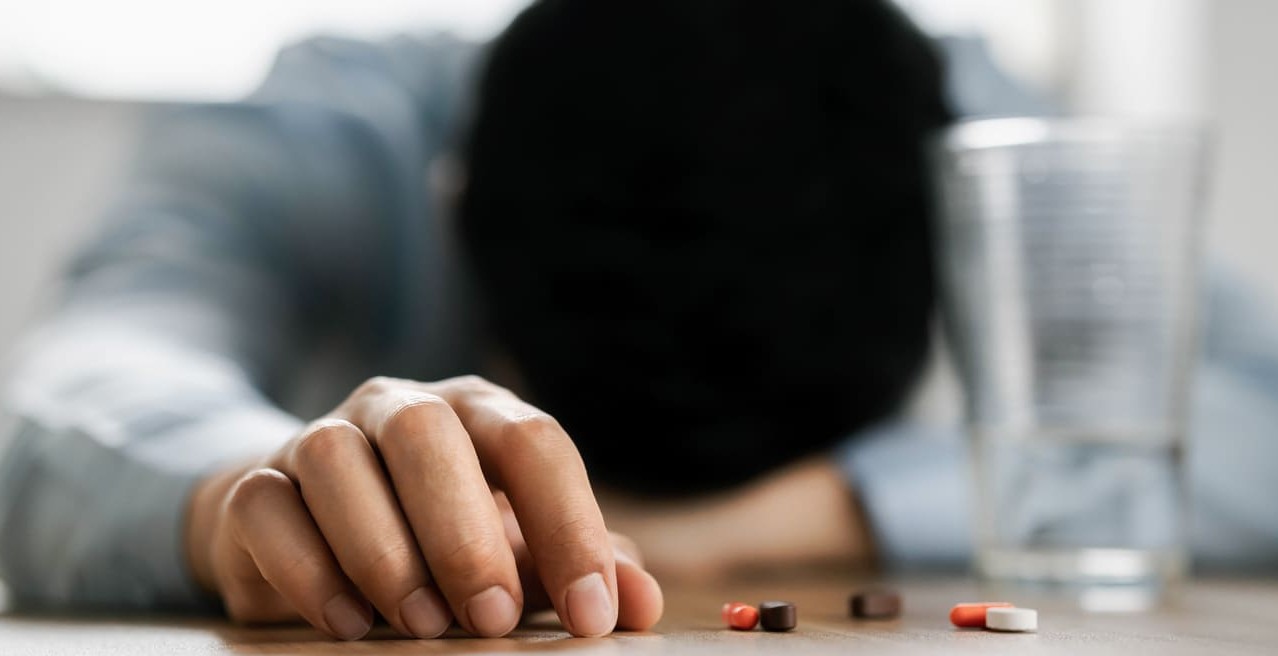
The Connection Between Mental Health and Substance Use
Mental health and substance use often influence one another.
Some people begin using alcohol or other substances in an attempt to cope with difficult emotions such as anxiety, sadness, loneliness, or the effects of trauma. While this may provide temporary relief, it can also make emotional challenges more difficult over time.
In other situations, ongoing substance use may contribute to changes in mood, thinking, or emotional well-being.
Because these conditions can interact, it is not uncommon for someone to experience both at the same time.
Understanding this relationship helps reduce blame and reminds us that people deserve comprehensive care rather than judgment.
What Is Dual Diagnosis?
When someone experiences both a mental health condition and a substance use disorder, it is often referred to as a dual diagnosis or co-occurring conditions.
Treating only one concern may leave important needs unmet. For example, addressing anxiety without supporting recovery from substance use—or vice versa—can make long-term progress more difficult.
Integrated treatment recognizes the whole person. It considers emotional health, physical well-being, relationships, life experiences, and personal goals when developing a care plan.
This whole-person approach is central to helping individuals build sustainable recovery and improved quality of life.
How Families and Communities Can Support Recovery
Recovery is rarely a journey someone takes alone.
Family members, friends, coworkers, faith communities, and healthcare professionals can all contribute to a supportive environment.
Helpful ways to provide support include:
- Listening without judgment.
- Learning about substance use disorders.
- Encouraging professional care when appropriate.
- Respecting each person's recovery journey.
- Celebrating progress, even when it feels small.
- Reducing stigma by choosing respectful, person-first language.
Compassion creates space for healing in ways that shame never can.

Recovery Is Possible
Recovery does not always follow a straight path. Like many health conditions, progress may include setbacks, learning experiences, and continued growth.
Seeking treatment is not a sign of failure—it's a sign of hope.
Professional support may include therapy, medication when appropriate, peer support, family involvement, and services that address both mental health and substance use together.
Every person's journey is unique, but recovery is possible with the right support.
Key Takeaways
- Substance use disorder is a treatable health condition.
- Mental health and substance use often occur together.
- Integrated treatment for co-occurring conditions leads to better outcomes.
- Compassion and understanding help reduce stigma.
- Recovery is possible, and no one has to face these challenges alone.
Final Thoughts
International Overdose Awareness Day reminds us that behind every statistic is a person, a family, and a community.
By replacing judgment with compassion, increasing understanding, and encouraging early support, we can help create environments where more people feel safe asking for help.
Whether someone is living with anxiety, depression, trauma, substance use disorder, or a combination of challenges, they deserve care that recognizes their humanity and supports their journey toward healing.
Hope grows when people are met with understanding—and recovery begins with the belief that change is possible.
Call to Action
If you or someone you care about is living with mental health concerns, substance use challenges, or both, know that compassionate, person-centered support is available. At Mind Speak, we believe in treating the whole person and recognizing that recovery is possible. Reaching out for help can be the first step toward healing.
If you believe someone is experiencing a medical emergency or an overdose, contact your local emergency services immediately. If you or someone you know is struggling with thoughts of self-harm or is in immediate crisis, seek emergency assistance or contact your local crisis services without delay.